Gate
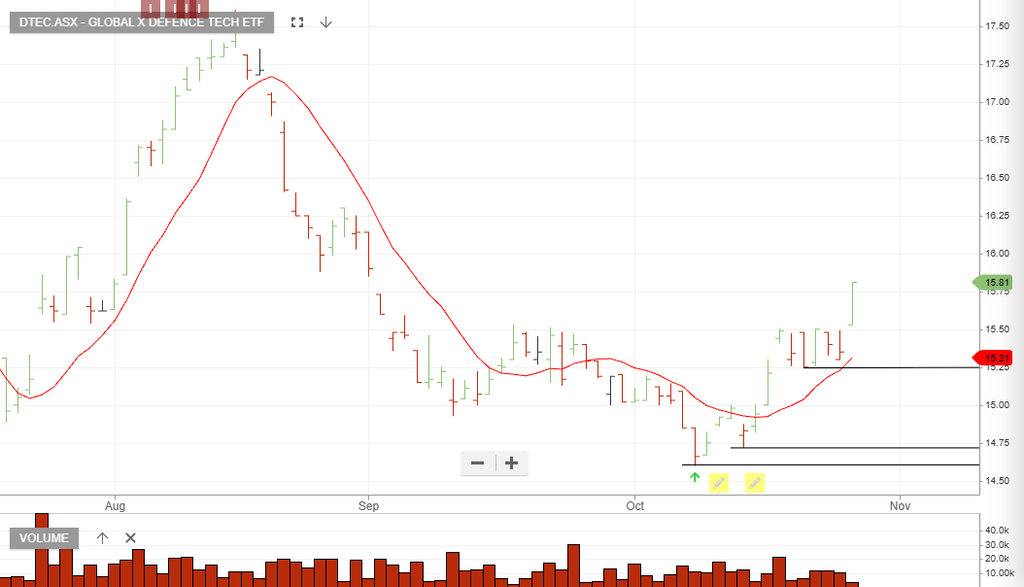
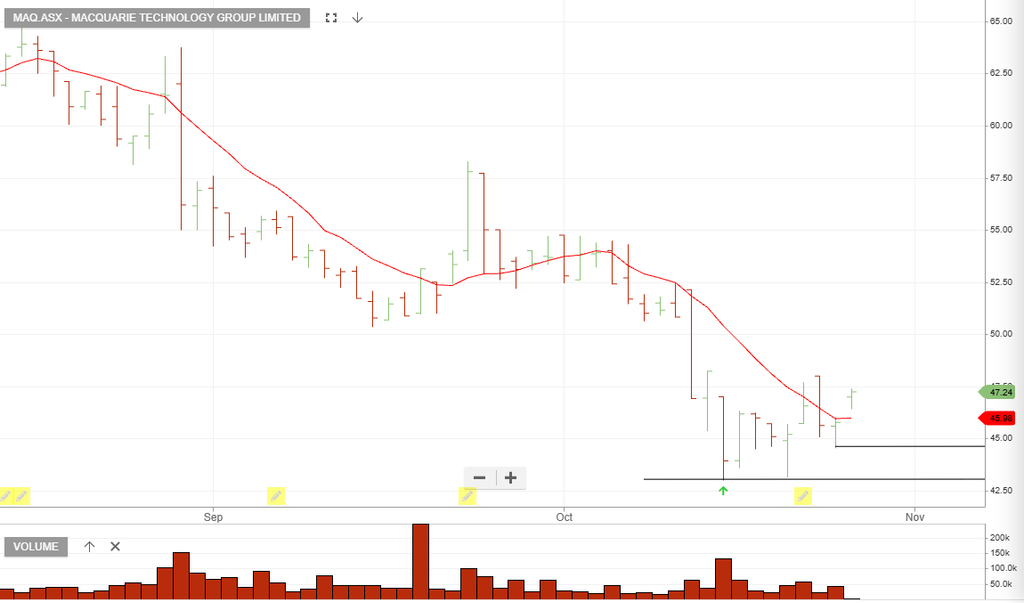
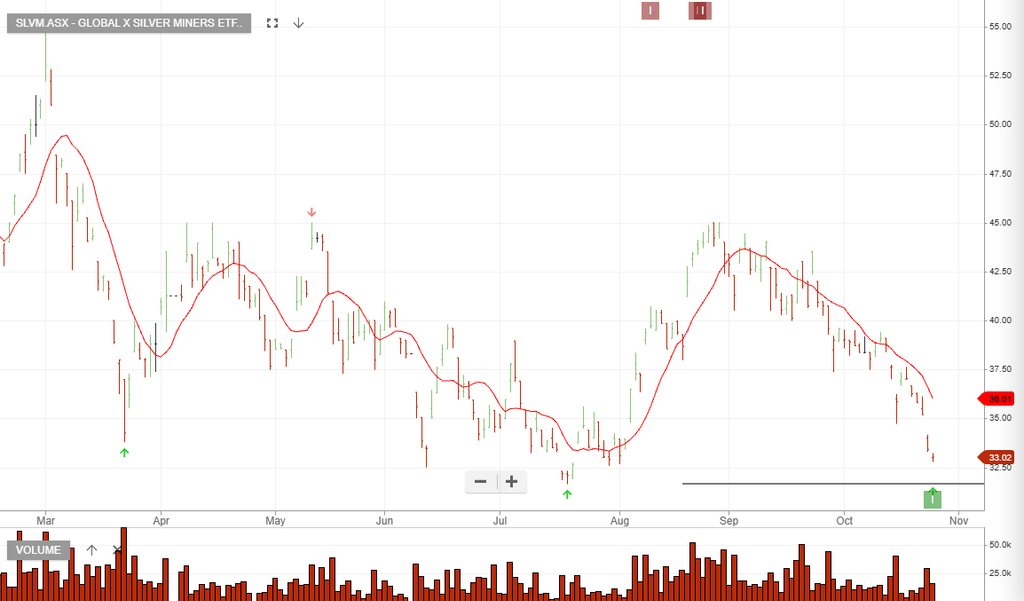
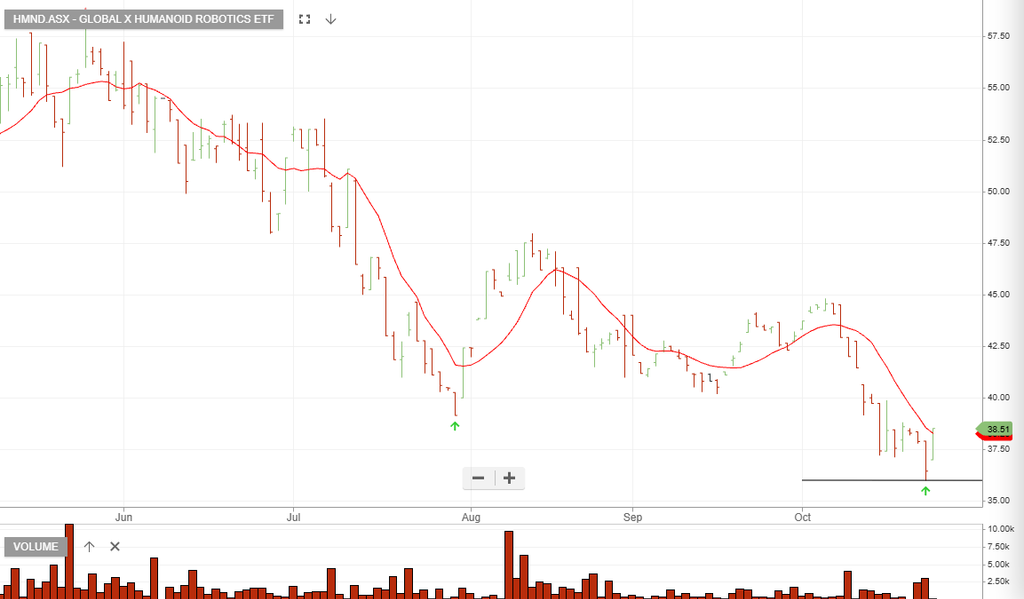
Gate is now under Algo Engine buy conditions.
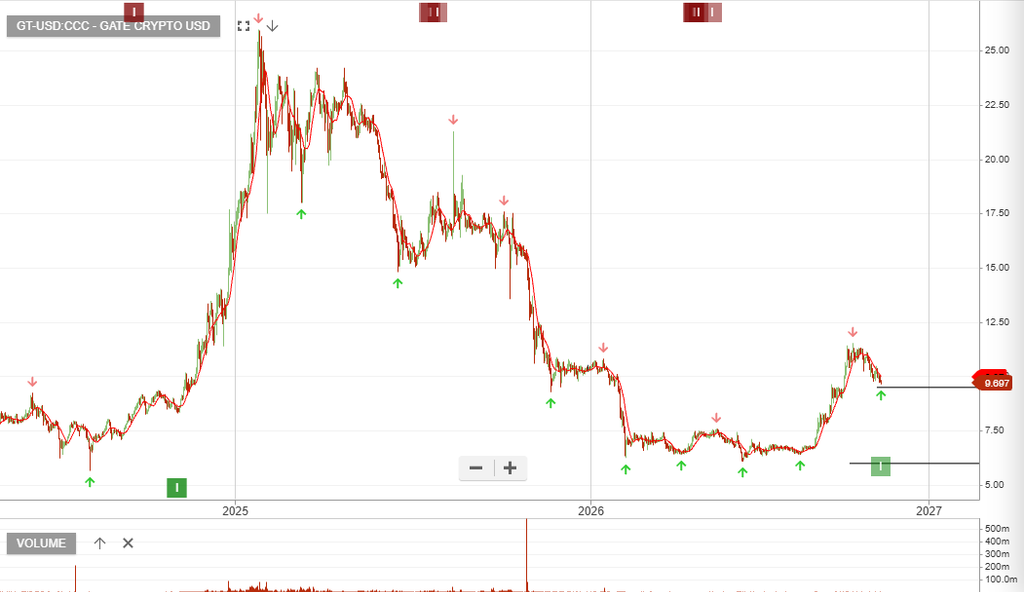
Gate is now under Algo Engine buy conditions.
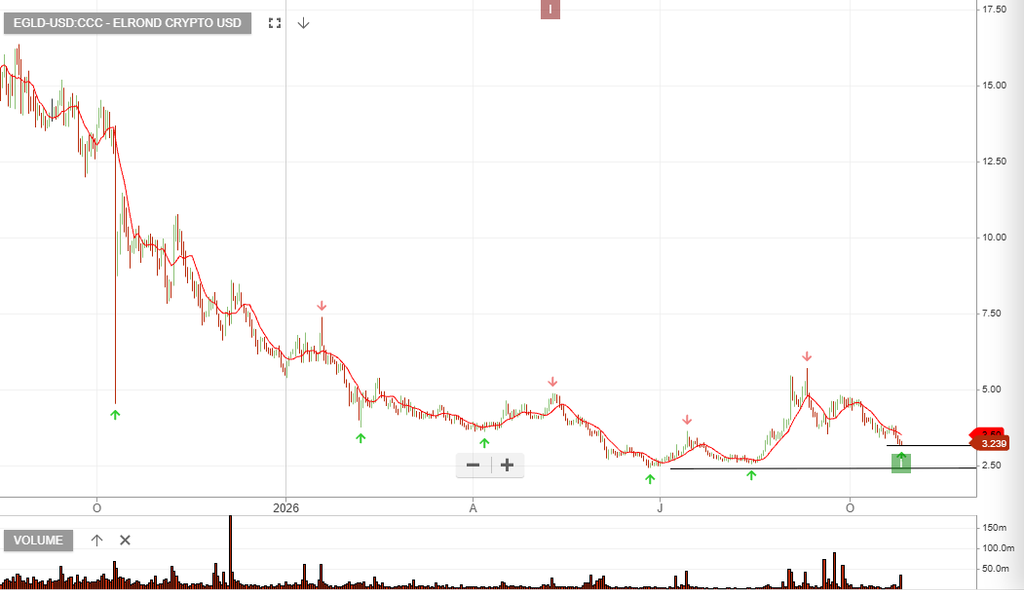
Elrond is now under Algo Engine buy conditions.
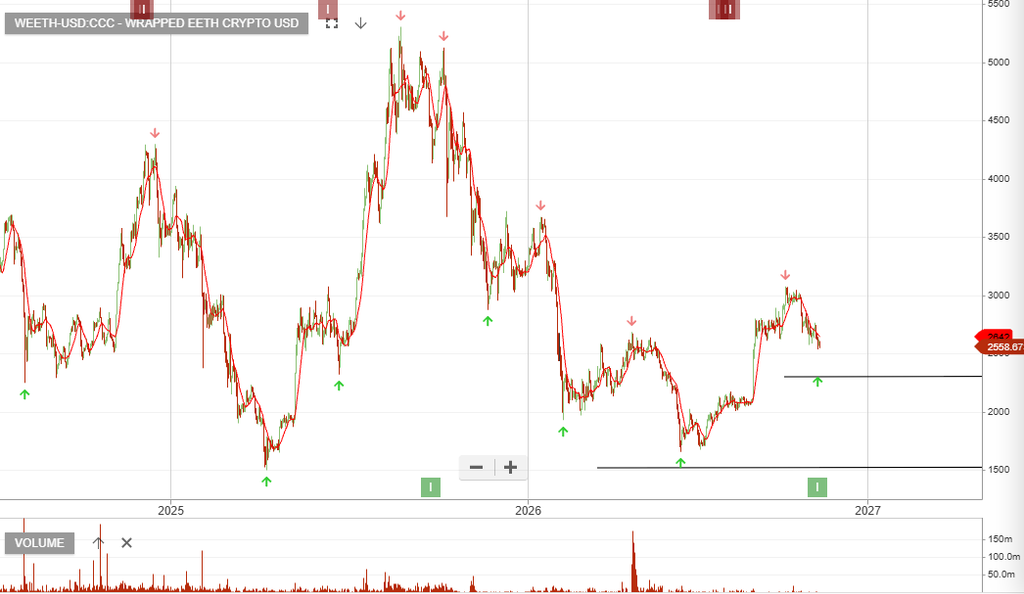
EETH is now under Algo Engine buy conditions.
Sorry, but this content is restricted to our members.
Please login with your account or register for a free trial. If your trial has expired, then you may renew it here.
If you are having an issue with your account, then please get in touch with us.
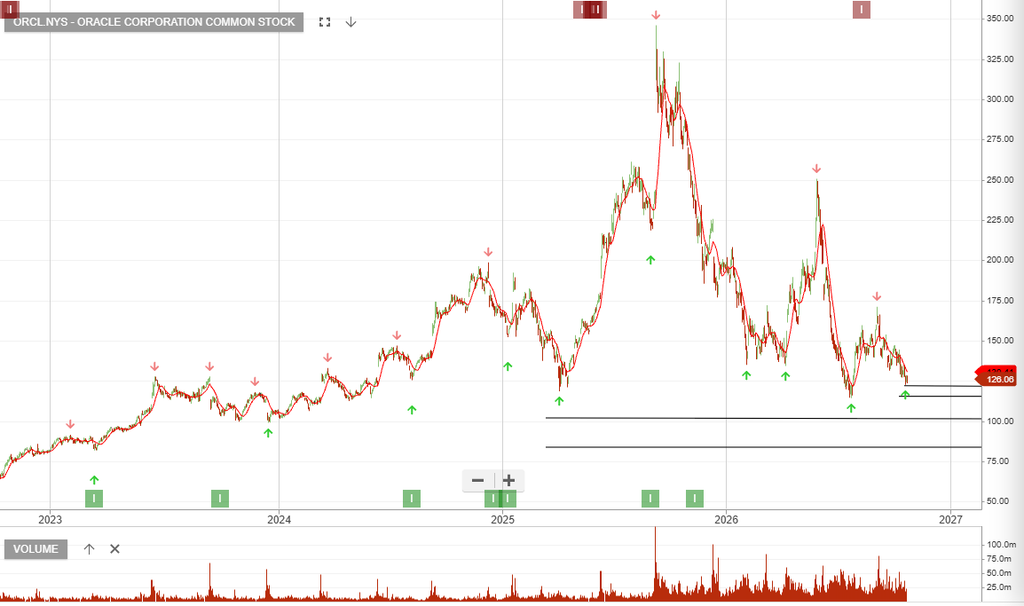
Oracle kicked off Oracle AI World by introducing 25 AI agentic applications powered by Fusion Claw across ERP, HCM, Supply Chain, and Customer Experience to automate end-to-end enterprise workflows. Barclays reaffirmed an Overweight rating ($252 price target), pointing to accelerating cloud infrastructure expansion and a $664B backlog. All eyes turn to Oracle’s Investor Day Meeting tomorrow, Wednesday 28 October, where leadership will address data center financing, capital expenditures, and free cash flow targets.
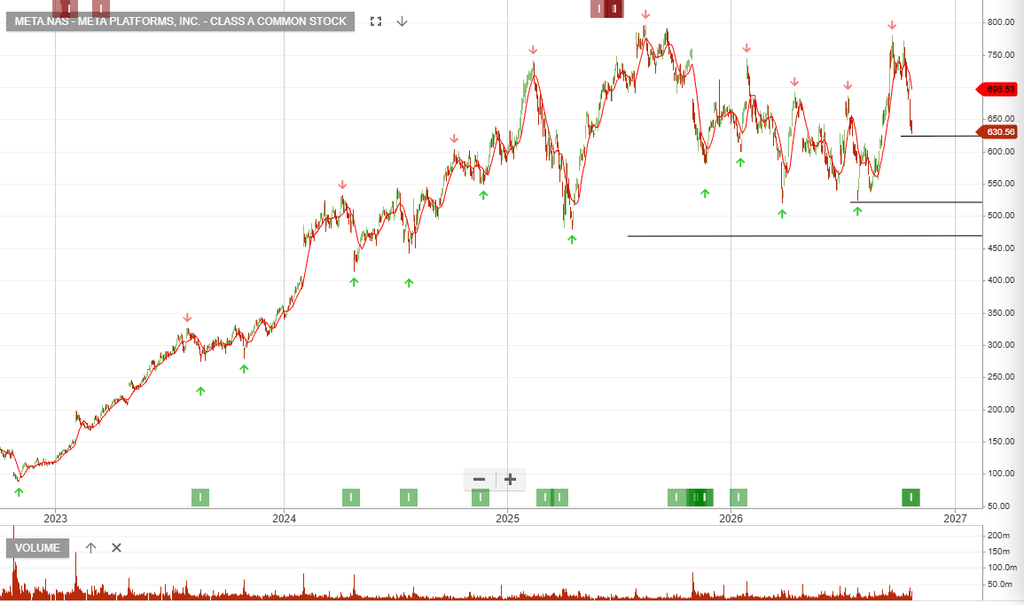
announcing plans to raise up to US$95 billion in equity to fund its massive infrastructure buildout and superintelligence roadmaps. The financing consists of an immediate $35 billion public offering ($22.5B in Class A stock and $12.5B in convertible preferred shares) and a planned $60 billion at-the-market program slated for early 2027. Notably, Nvidia, AMD, and Broadcom have expressed interest in purchasing up to $5 billion of Meta Class A shares in the transaction.

Level 17 Chifley Tower
2 Chifley Square
Sydney, NSW 2000
1300 614 002
Investor Signals Pty Ltd
ABN 44 143 555 453