Bega – FY21 Earnings

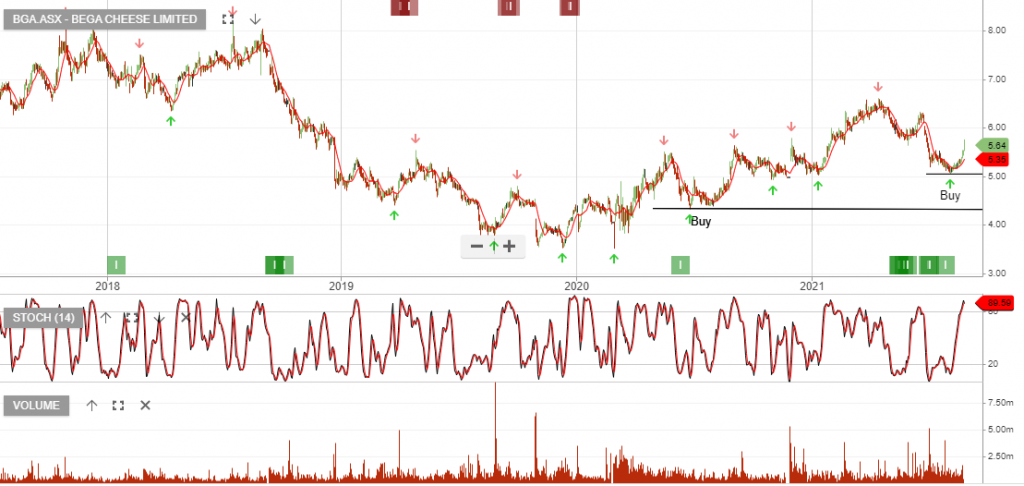
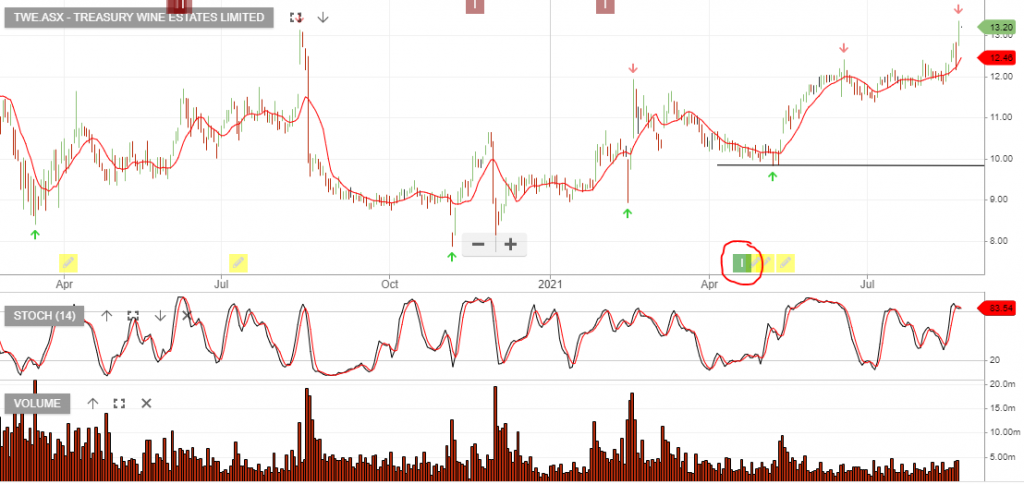
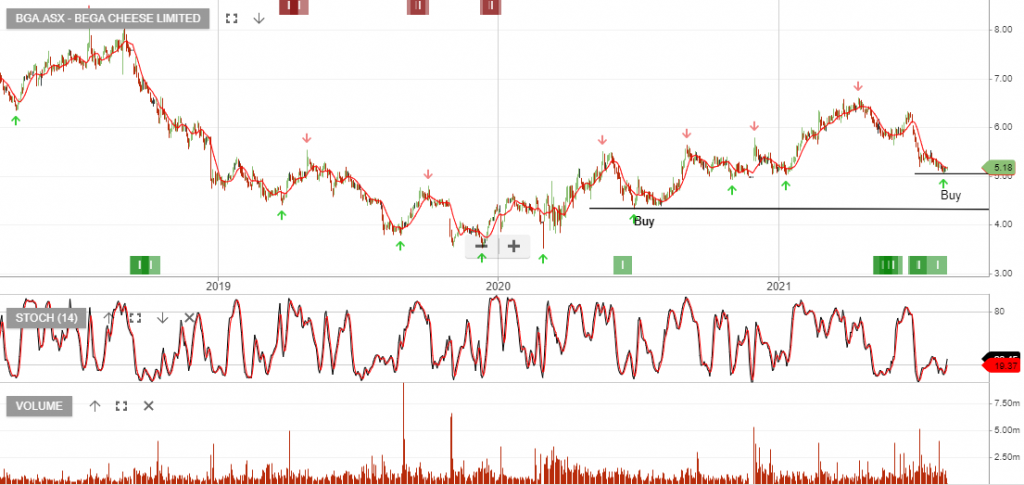
Bega Cheese is under Algo Engine buy conditions and is a current holding in our ASX model portfolio.

Accumulate within the $5.00 – $5.25 price range.
Update: 27/8 Bega FY21 Earnings release: Performance highlights

 Reduction in normalised EBITDA to net debt leverage
ratio from 2.35 times to 2.25 times
 Normalised EBITDA increased by 38% to $141.7 million
 Statutory EBITDA increase by 108% to $182.7 million
 Operating cash flow $111.4 million
Reece – FY21 Earnings

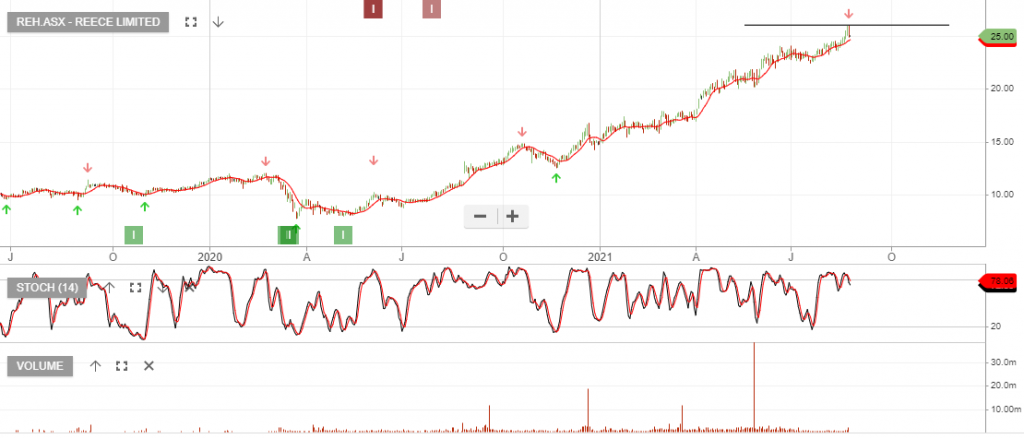
REH achieved a 4% increase in sales to $6,271m, 11% increase in underlying EBITDA to $720m and underlying NPAT increased 25% to $285m.

Reece beat market consensus across all numbers, however, the valuation is looking stretched at 44x earning.

Be patient and wait for the next Algo Engine buy signal.

Ansell – FY21 Earnings

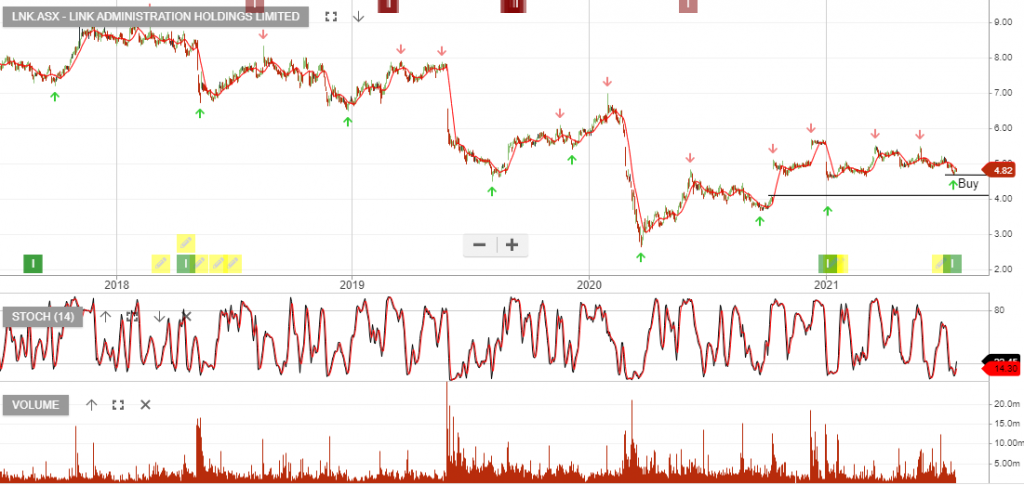
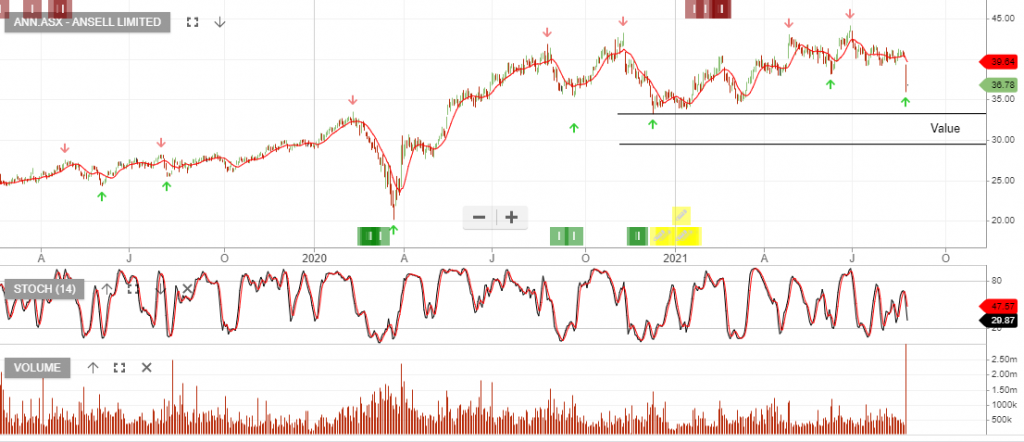
ANN:ASX is under Algo Engine sell conditions, however, we’re expecting a switch to buy conditions in the near term.

FY21 results were at the low end of guidance, with EPS US$1.92 on record sales of US$2bn.

FY22 is likely to be 5 – 10% below FY21 and the downgrade is driving the current share price correction. Be patient with this opportunity and wait for the Algo Engine to trigger a buy.

The 3% yield is well supported and buying interest will rebuild as the valuation becomes more attractive.

ASX 200 Resources Fund

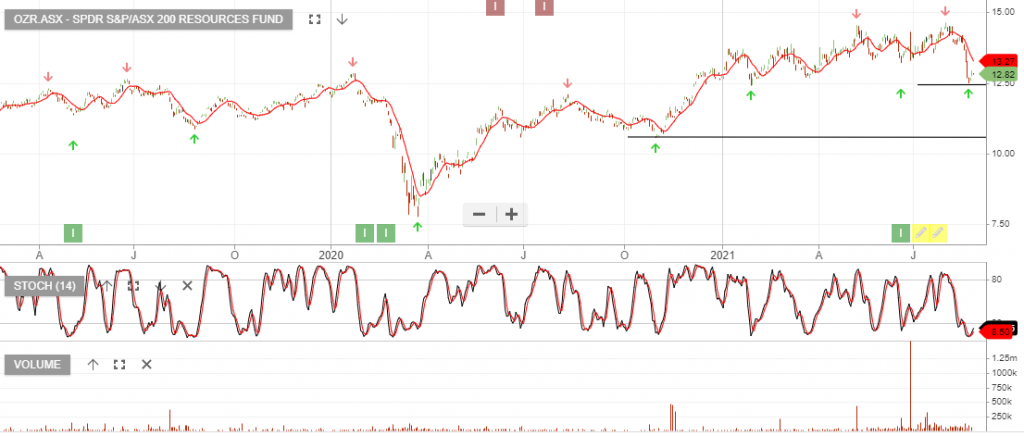
OZR:ASX is under Algo Engine buy conditions and we anticipate buying support to increase near the $12.50 support range.

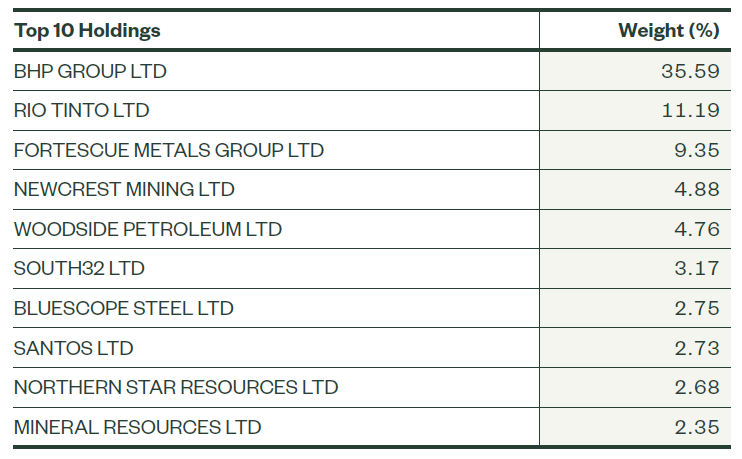
A sector sub-index of the S&P/ASX 200 Index, this index provides investors with exposure to the Resources sector of the Australian equity market as classified as members of the GICS® resources sector. Resources are defined as companies classified in the Energy sector (GICS® Tier 1), as well as companies classified in the Metals and Mining Industry (GICS® Tier 3).

US Market PMI

U.S. business activity growth slowed for a third straight month in August as capacity constraints, supply shortages and the rapidly spreading Delta variant of the coronavirus weaken the momentum of the rebound from last year’s pandemic-induced recession.