US Macro

US Macro

A week after UK voters chose to leave the EU, a growing number of market commentators are arguing that the media, politicians and some economists exaggerated the impact that a “Brexit” vote would have on the UK economy and British assets. The frequent stream of reports about a second referendum, Scotland vetoing the decision to leave the EU, political infighting and UK never planning to invoke Article 50, suggest the financial media were firmly biased to the “remain” camp.  

In addition, caustic comments from EU officials about how to renegotiate trade and security agreements with the UK suggests that many well pensioned bureaucrats on the continent are very angry that: 1) a majority of UK voters were willing to fight the EU status quo. And 2) The UK Government is willing to honor the will of the UK voters. It’s clear that this type of pure democratic process doesn’t sit well with the unelected policymakers in Brussels.  

Social Media, on the other hand, has largely celebrated the “Brexit” vote as a revolution of grassroots politics and consolidating objections about wage stagnation, immigration politics and the lack of self-governance. This rebellious timbre of the referendum has reverberated into other regions of the world where similar anti-status quo movements are gaining popularity. 

Australian market finished the week…

Australian market finished the week…

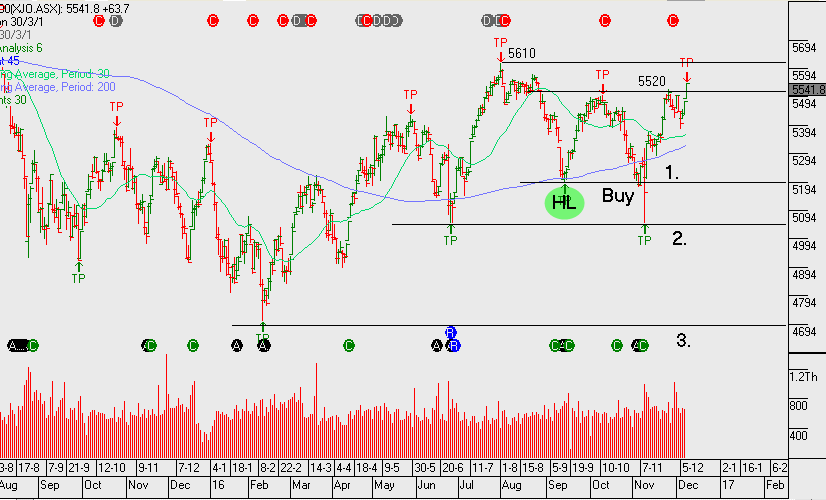
S&P200 XJO.ASX finished the week up 2.6%.

The best performer was the Materials sector + 5.4%. Fortescue Metals Group FMG.ASX outperformed rising 11.0%. Information Technology  lagged, weighed down Computershare Ltd selling off over 6%.

As a reminder CPU was one of our short trade recommendations, to read more on CPU, click the “tags” section in the right column.


US Macro

US Macro

The widespread reaction to the United Kingdom’s decision to leave the European Union (EU) has dramatically changed the technical conditions across the Foreign Exchange market. While the “Brexit” was clearly a political event, it has acutely altered the market’s “group psychology”; which is the cornerstone of technical analysis. 

For example, the GBP/USD traded from a new yearly high, at just above 1.5000, to its lowest level in 30 years in less than 8 hours; the widest trading range in the history of the pair. From a technical perspective, it’s reasonable to believe that stop levels and option positioning were all wiped out on Friday. In this sense, if price support is where buyers are enticed, and price resistance is where sellers offer supply, then technical levels of the GBP will have to be rebuilt over time.   

As a result of the breakdown of many technical components, volatility looks to be the name of the game for the short to mid-term. Fears that the UK’s exit will inspire other nations to do the same are not unwarranted, and FX investors should be cognizant that Brexit is not an uniquely European problem. All global financial markets have been propped up by central bank policy makers; especially from the ECB, FED and the BoJ.   

As such, the FX market may show a blithe response to most of the economic releases on this week’s schedule. However, now that the FED FUNDS futures market has entirely priced out any rate normalization for 2016, Tuesday’s US GDP report could get a rate adjustment back on the radar. The final reading for Q2 GDP is forecast to print at 1%, which is twice as strong as the last GDP data. In addition, US Consumer Confidence is due early Wednesday morning and is expected to show a sharp rebound to 93.1%.


Short XTL.ASX (update)

Short XTL (update)

XTL

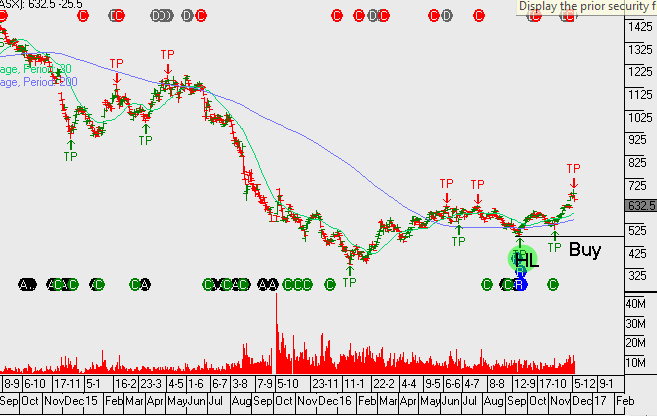
I suggested shorting the XTL on 2nd June 2016 and now I believe that Central Banks will have no choice but to embark on a more aggressive stance. BoJ, BoE and ECB will be looking to reduce volatility, inject liquidity, depreciate ¥ and avoid excessive US$ appreciation. The Fed will work hard to reduce the degree of monetary policy divergence.

This means we are getting ready to close out the XTL short and bank the profit.


Australian market finished the week…

Australian market finished the week…

The Australian market S&P ASX 200 finished the week to Friday down 1.0%. Small companies underperformed larger companies, with the Small Ordinaries Index down 1.7%.

Strong performance from the Energy sector, up 0.9%. Santos (STO) rallying by 9.1%. Information Technology sector down 3.1% with IRESS LTD down over 7%.

Short AZJ.ASX

Short AZJ.ASX

AZJ

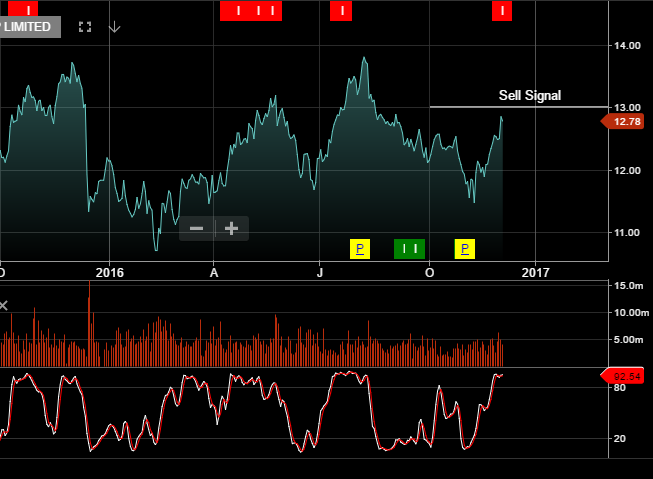
Time to look at AZJ on the short side. $4.80 range is the target I’ve been waiting for, the stock has pushed higher against a backdrop of selling in the broader equity market but with no revenue growth, 100% payout ratio on the dividend, I think AZJ is susceptible to a pullback into the July/Aug earnings result. Target pullback to $4.40 – $4.50


US Macro

US Macro

In less than a week, citizens of the UK will make their biggest decision in more than a generation when they go the polls to vote on whether to stay in the European Union (EU), or to leave it. It’s conceivable that the political and economic future of the entire 28 member EU could be reshaped by the June 23rd referendum. 

Those in favor of leaving the EU, known as the “Brexit” option, say EU elitist rules restrict UK companies and leaving would boost the UK economy. They also say that leaving the EU would give Britons control of their borders and limit immigration. Those campaigning to stay (including the PM David Cameron) paint a very grim picture of life outside the EU.  

The result of the vote could have acute and far reaching consequences not just for the British and EU economies, but also for global FX markets and G-7 stock markets in particular. At this point, the polls suggest that UK voters are spilt down the middle without an outright majority on either side. Further, it seems the only clear consensus is that a win for the Brexit camp would reshape the future of the UK and EU for decades to come……….the problem is that nobody knows exactly how.