ETF Watch – Crude Oil Index
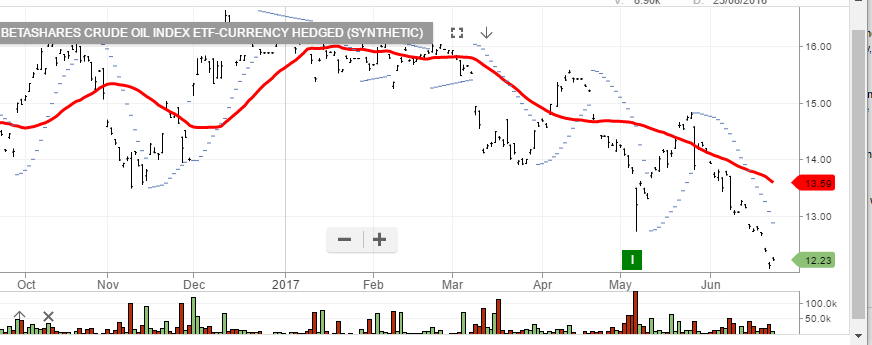
The Betashare Crude Oil Index has now rallied 10% from the recent low. At an individual stock level, our preferred energy plays remain WPL, OSH & ORG.


The Betashare Crude Oil Index has now rallied 10% from the recent low. At an individual stock level, our preferred energy plays remain WPL, OSH & ORG.


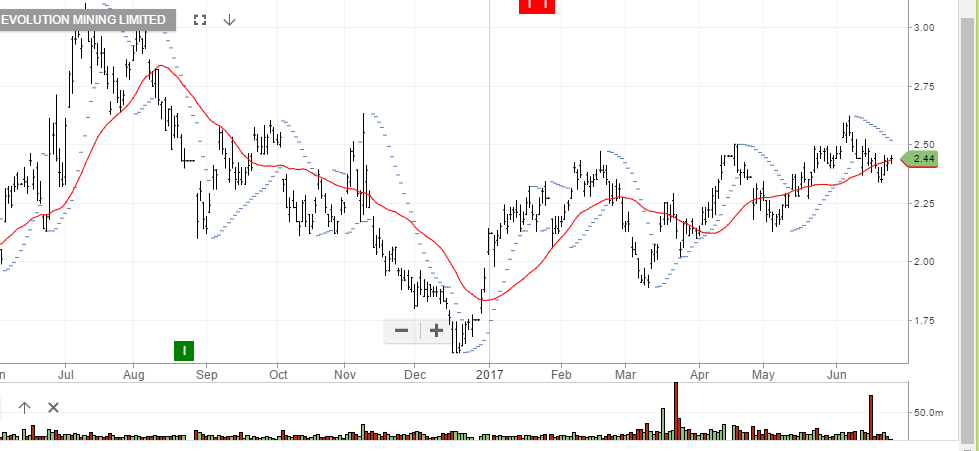
Our Algo Engine triggered buy signals in BHP and ORG. The share price has since rallied in both examples and we lift the stop-loss to the entry price to ensure we protect the long exposure ahead of an expected pick-up in market volatility across the coming months.


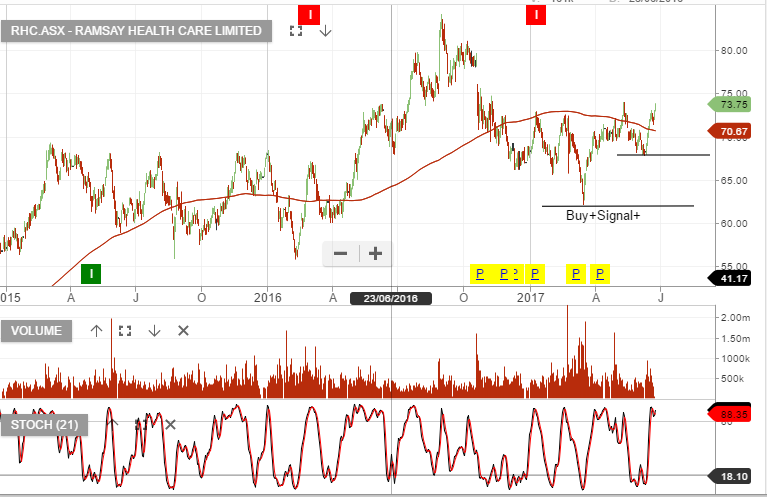
When we last updated Ramsay Health Care (RHC) on March 7th, we pointed out that the strong earnings potential and solid dividend growth were reasons for holding the stock.
Since then, RHC has moved just over 5% higher and has a bullish technical structure.
The current price is comfortably above the 30-day moving average at $67.75 and we have a medium-term target of $73.00.

Ramsey Healthcare
Two ETF’s that we’re now including in our portfolio construction include.
SFY.AXW SPDR S&P50 Fund & the QRE.AXW Betashares S&PASX200 Resources ETF


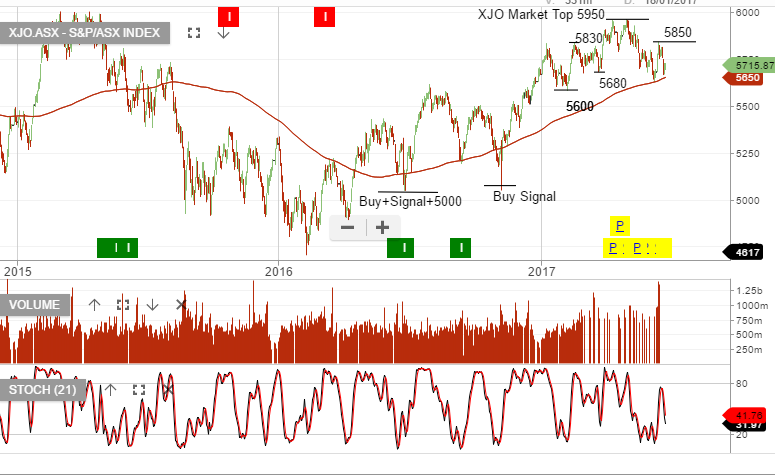
The XJO continues to make higher low formations with 5830 providing buying support throughout the past week. If we see price action break below 5830 and then form resistance, we’ll view this as the beginning of structural weakness for the local market.

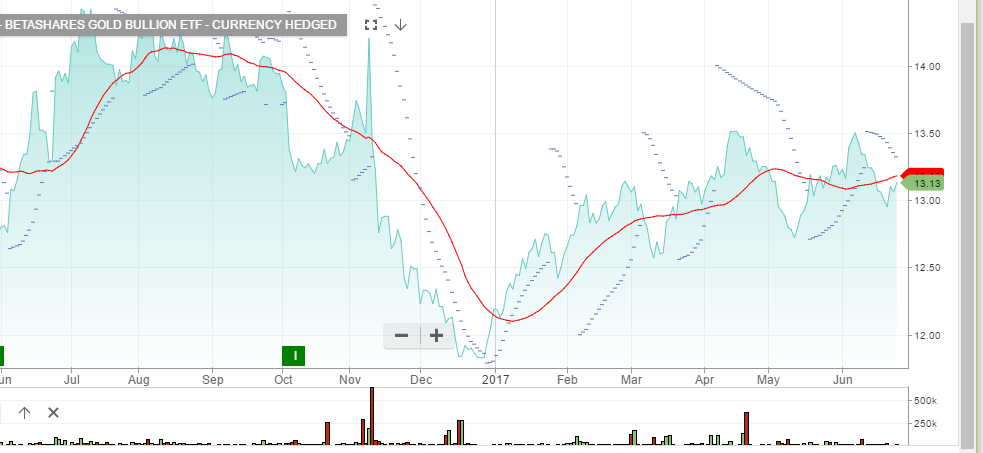
With market volatility picking up as geopolitical risk rises, gold and oil are somewhat of a safe harbour.
In both cases, investors can look at ASX listed ETF’s to capture broad- based exposure, or look at the leading individual company names.


Although many resource names have enjoyed a strong rally over the past 12 months, there’s reason to be cautious.
To protect capital we recommend investors holding resource names, run tight stop-losses below the recent lows.
Overall, investors should be reviewing their portfolio allocations, tilting to defensive names and ensuring access to effective portfolio hedging and shorting strategies are in place.


With the financial media focused primarily on the US missile strike in Syria, many investors didn’t notice the 7% drop in Iron Ore prices on Friday.
The spot price of Iron Ore fell $5.50 to $75.45 yesterday. This is over 20% lower than the February 21st closing price of $95.00.
Making matters worse, the September contract for Iron Ore on the Dalian exchange also closed 7% lower after trading down to its 8% limit for most of the session.
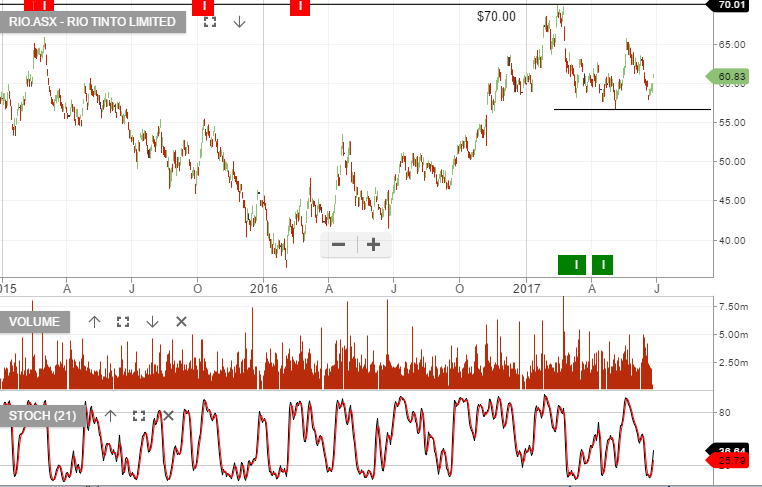
The sharp fall in Iron Ore will have its biggest impact on BHP, RIO and the Aussie Dollar.
The AUD/USD closed the New York session at a 1-month low of .7495. This is the first close below .7500 since early January and opens up the next support level at .7425.
Investors who would like to profit from a lower AUD/USD can look at the BetaShare YANK Exchange traded Fund. This is an inverse fun which gains value as the AUD/USD falls.
Call in for more details about YANK and the other ETFs that we cover.

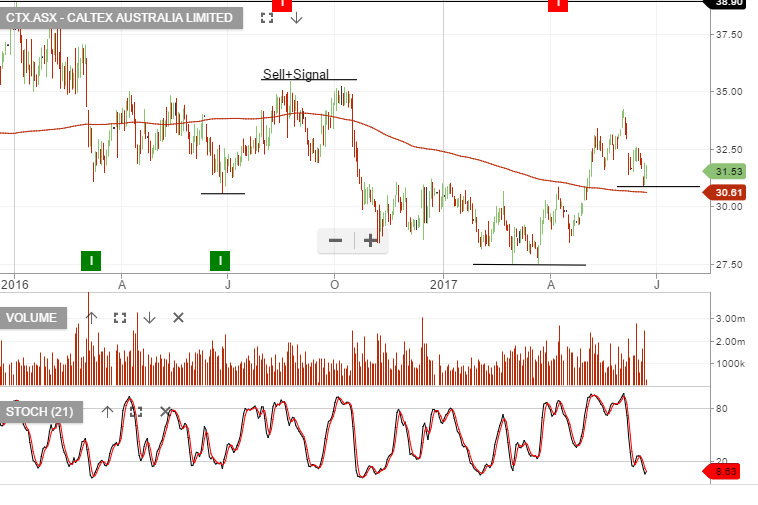
We’ve been buyers of Caltex at the recent low and see further upside potential to $31 – $32.

US stocks ended lower on the day after a sharp, mid-session reversal was triggered by comments from the US Federal Reserve.
It was reported that during the last FED meeting, when rates were lifted by 25 basis points, some voting members viewed US equity prices as “quite high relative to standard valuation measures” and that the central bank should take steps to begin trimming its $4.5 Trillion balance sheet.
The DOW 30 posted its largest intra-day downside reversal in 14 months. After an early gain of almost 200 points, the DOW closed down 41 points and near the session low.
Volume was very heavy at 7.5 billion shares compared to the average volume of 6.5 Billion shares over the last month.
It’s worth noting that the process of reducing the balance sheet acts as an accelerator to tightening monetary conditions and is generally not bullish in an over valued market.
FED Balance Sheet